How Modern Car Key Replacement Actually Works — Cut, Code, and Program
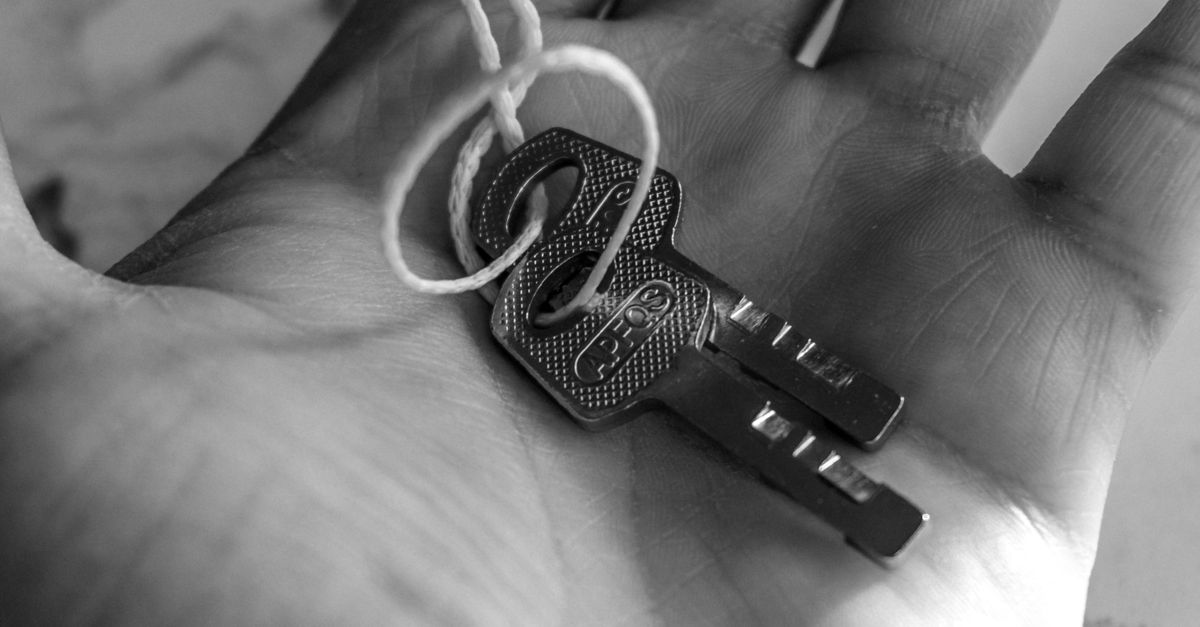
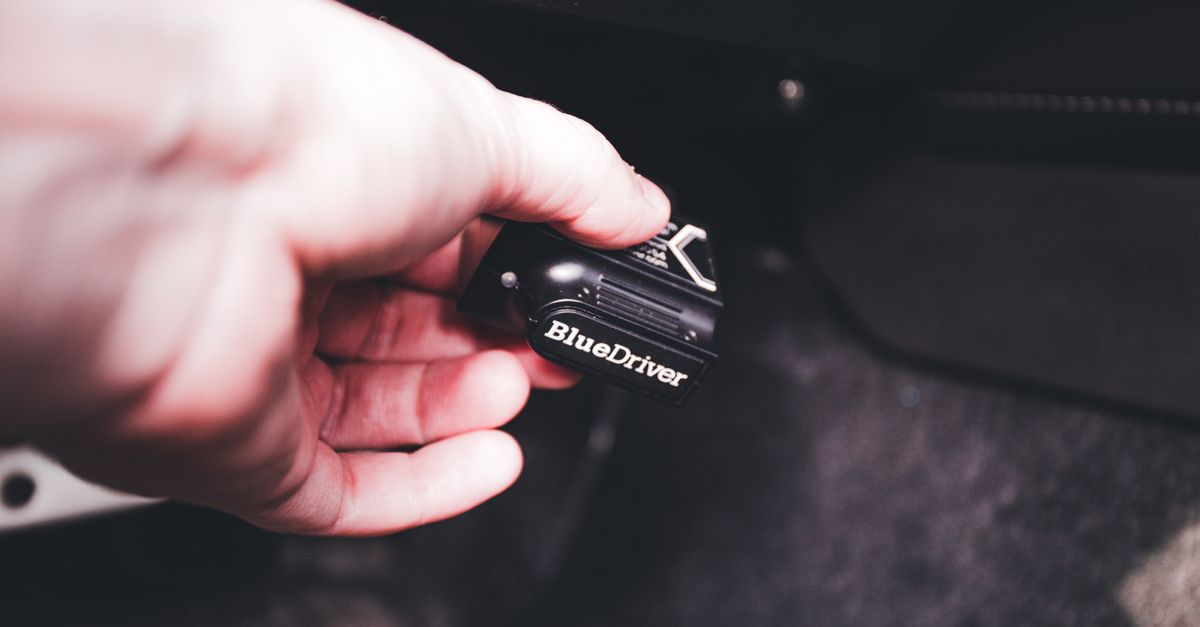
Replacing a vehicle key today almost always involves two separate but equally important steps: mechanical cutting and electronic programming. Cutting reproduces the physical blade profile that operates the ignition barrel and door locks. Programming writes a unique cryptographic identity into the key's transponder chip or fob circuit so the vehicle's immobilizer or receiver module will recognize and accept it. Skip either step and the key either won't turn or won't start the engine. Our technicians use professional-grade laser-cut and code-cut machines alongside dedicated automotive programming software to handle both steps in sequence, right at your location.
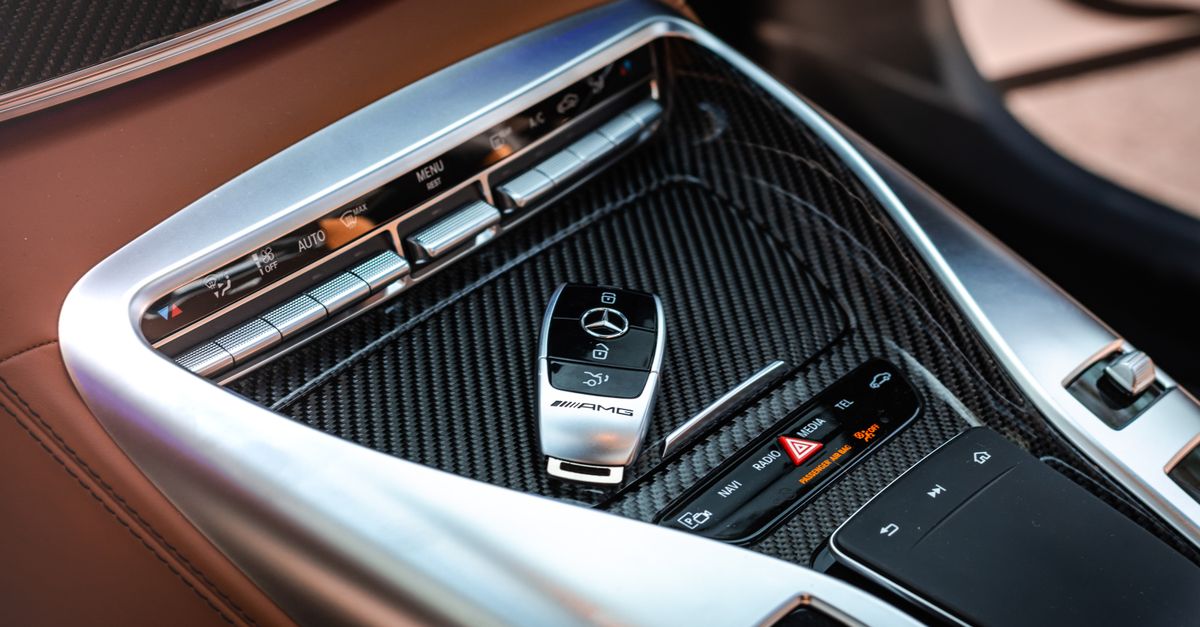
The exact process varies by make and model. A basic transponder key for an older domestic sedan involves cloning or coding a single chip. A proximity smart key for a late-model European import may require bi-directional communication with multiple vehicle modules and a seed-key exchange that takes several minutes. A proximity key for a domestic pickup with a push-button start sits somewhere in between. When you call (973) 315-6526, our team asks for your year, make, model, and VIN prefix so we can verify compatibility and bring the right equipment the first time — no wasted trips, no guesswork.